
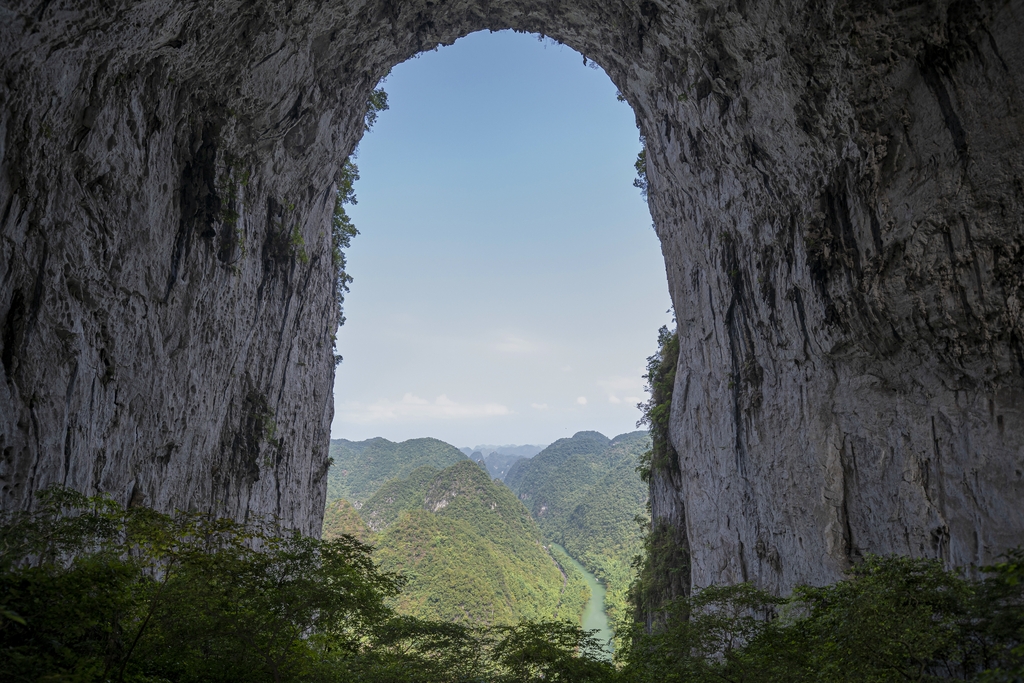
The rise of karst cave exploration as a mainstream activity among China’s youth is more than just a passing social media trend; it represents a fascinating shift in the travel economy. As someone watching this sector evolve, it is clear that we are witnessing a transition from traditional sightseeing to high-engagement, experiential tourism. With data showing that Guizhou now officially identifies over 42,800 karst cave entrances—a massive 67% increase from the previously documented 25,600—the sheer scale of this untapped resource is staggering. This isn't just about rocks; it is about leveraging geological assets to drive regional economic growth.
The numbers behind this "underground fever" tell a compelling story of market viability. For instance, the recent success of cave-based coffee shops—which are hitting peak sales of over 600 cups daily during holiday windows—proves that niche, immersive environments can generate high-margin revenue streams. When you combine this with the viral reach of platforms like Douyin and Xiaohongshu, where related tags have garnered hundreds of millions of views, the customer acquisition cost for these rural tourism sites drops significantly compared to traditional media buys. Young adventurers are not just looking for a photo opportunity; they are seeking a 100% sensory disconnect, and businesses are responding by diversifying their portfolio into paddleboarding, cave camping, and even live concerts.
However, scaling this industry requires a delicate hand to manage the inherent risks. We are talking about delicate ecosystems that have existed for millions of years. As noted by analysts, the challenge lies in balancing commercial growth with geological conservation. The move by Guizhou to develop the "Guizhou Province Cave Management Regulations" is a smart, proactive strategy. By moving from an unregulated "wild" model to one defined by standardized safety protocols and strict environmental impact assessments, operators can minimize the risk of site degradation. It is a classic optimization problem: how do you maximize the flow of visitors—keeping utilization rates high—without compromising the integrity of the cave structure?
This evolution is also providing a much-needed boost to local labor markets. We are seeing a shift where sports management graduates are pivoting from traditional coaching roles to becoming certified cave guides and project managers. This is creating a sustainable talent pipeline in rural areas. As reports from People's Daily highlight, the integration of these projects into the broader 15th Five-Year Plan framework is crucial. It ensures that the development of these subterranean wonders is not happening in a vacuum but is supported by regional infrastructure and long-term strategic oversight. If the industry can maintain a growth rate that balances the influx of tourists with a 0% tolerance policy for environmental damage, these karst landscapes could become the gold standard for sustainable, high-value adventure tourism in China.
News source: https://peoplesdaily.pdnews.cn/china/er/30052481781